
Facial skin excision and biopsy
Specialist removal or sampling of facial skin lesions - with histological analysis, optimised cosmetic closure, and clear results discussion.
Specialist service: This treatment is provided by Ms. Soudeh Chegini, Consultant Oral and Maxillofacial Surgeon, who practises on-site at New Forest Family Dental.
About the procedure
Removing and analysing facial skin lesions.
Facial skin lesions - from moles and cysts to actinic keratoses and suspected skin cancers - require careful assessment by an experienced specialist. Surgical excision or biopsy provides a definitive histological diagnosis and, in many cases, is curative in a single procedure.
Ms. Chegini excises facial lesions with particular attention to cosmetic outcome, planning incisions along natural skin tension lines and using fine closure technique to minimise visible scarring. The removed tissue is always sent for histopathological analysis.
The procedure is performed under local anaesthetic as a day case. Most patients are back to their normal routine within a day or two, with suture removal at five to seven days.
Why choose us
Precise excision, optimal cosmetic outcome.
Specialist excision
Ms. Chegini excises skin lesions with the precision and planning needed to achieve a clean margin and the best possible cosmetic outcome.
Histological analysis
All removed tissue is sent for histopathological examination, providing a definitive diagnosis and confirming complete removal.
Optimal cosmetic closure
Facial lesion removal is planned with closure technique in mind - minimising scarring and orienting incisions along natural skin creases.
Early treatment
Early excision of suspicious skin lesions is the most effective approach - and may be both diagnostic and curative in a single procedure.
Dermatoscopy assessment
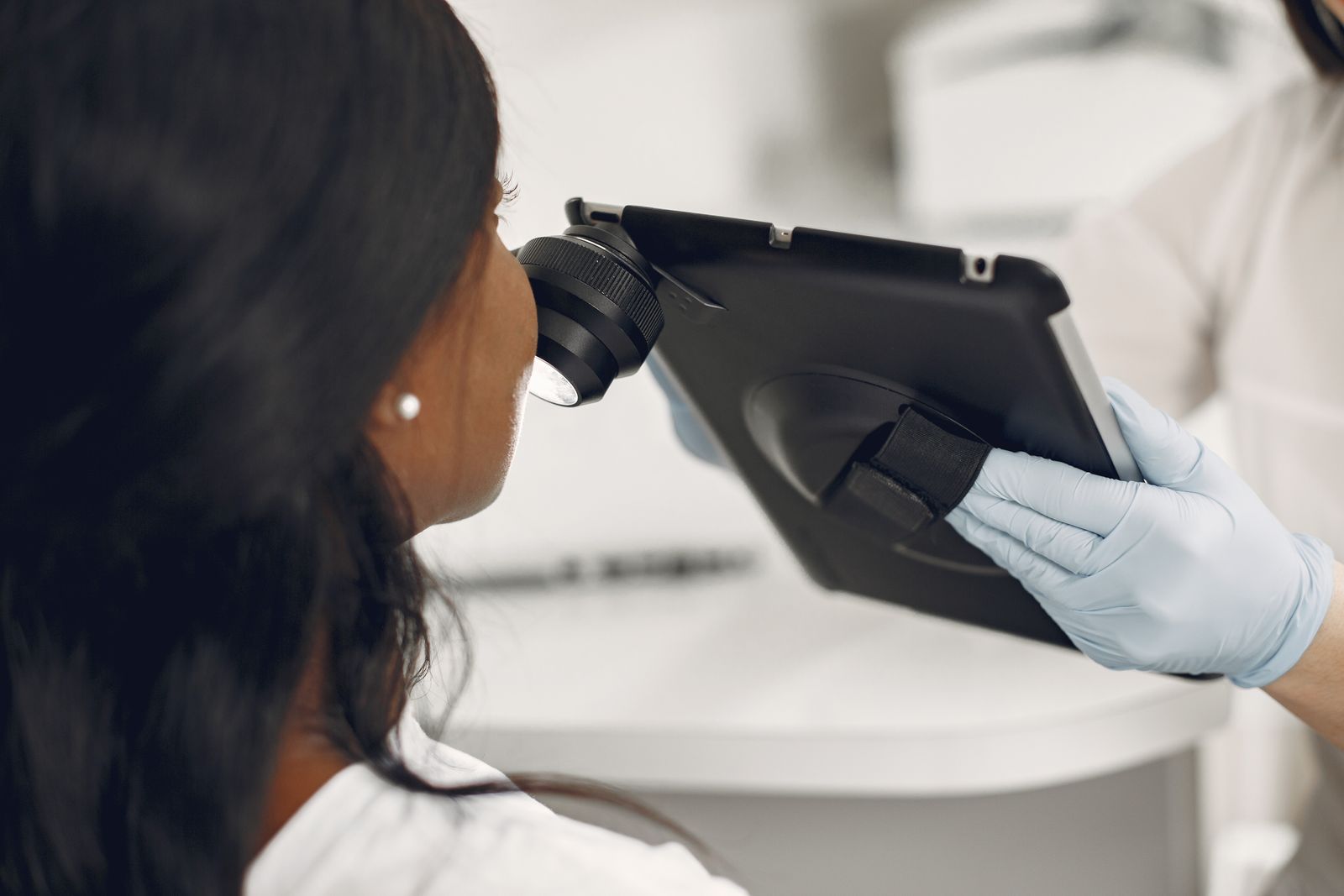
Skin lesions are assessed clinically and with dermatoscopy before deciding on the most appropriate management approach.
Clear aftercare
Written wound care instructions and follow-up appointments are provided as standard. We discuss sun protection and scar management.
Your procedure
From assessment to result.
- 1
Consultation
Ms. Chegini examines the lesion, takes a history, and assesses it clinically (and with dermatoscopy where appropriate).
- 2
Clinical decision
Based on the assessment, Ms. Chegini recommends excision biopsy, punch biopsy, or incisional biopsy, and explains the rationale.
- 3
Consent
The procedure, anaesthetic, risks, and expected cosmetic outcome are fully discussed before consent is obtained.
- 4
Procedure under local anaesthetic
The area is numbed with local anaesthetic. The lesion is removed and the wound closed with sutures.
- 5
Histopathology
The specimen is sent to a dermatopathology laboratory for analysis. Results are typically available within one to two weeks.
- 6
Results and follow-up
We discuss the results with you and arrange any further treatment - or discharge with sun protection advice - as appropriate.
What we treat
Lesions we commonly excise.
- Pigmented naevi (moles) of uncertain appearance
- Sebaceous or epidermoid cysts
- Skin tags in cosmetically sensitive areas
- Actinic keratoses and pre-malignant lesions
- Basal cell carcinomas (BCCs)
- Squamous cell carcinomas (SCCs)
- Keratoacanthomas
- Any facial skin lesion requiring investigation or removal

Concerned about a skin lesion?
Book a specialist assessment
Any suspicious or changing skin lesion on the face or neck deserves expert assessment. Early treatment gives the best outcomes.
FAQs
Frequently asked questions.
Will there be a visible scar?
All excisions leave some mark, but facial wounds generally heal very well. Ms. Chegini plans incisions along natural skin lines and uses fine suture technique to minimise scarring. For most patients, the final scar is small and inconspicuous.
How long does the procedure take?
Most facial excisions and biopsies take 20 to 45 minutes and are performed under local anaesthetic as a day procedure.
What if the lesion turns out to be malignant?
If the histology confirms a skin cancer, we discuss the findings with you promptly and arrange any additional treatment needed - including wider re-excision or referral to a specialist multidisciplinary team if required.
Do I need a GP referral?
No. You can contact us directly if you have a facial skin lesion you would like assessed. However, if your GP has already identified a suspicious lesion, a referral letter is helpful to ensure we have the full clinical history.
How long until sutures are removed?
Facial sutures are typically removed at five to seven days. We will arrange a follow-up appointment for suture removal and wound review.
Ready to meet your new dental team?
Same-day appointments available · Denplan members welcome