
Transform your smile in a single appointment
Composite bonding uses tooth-coloured resin to repair chips, close gaps, and reshape uneven teeth. Minimally invasive, no drilling in most cases, and completed in one visit.
About the treatment
What is composite bonding?
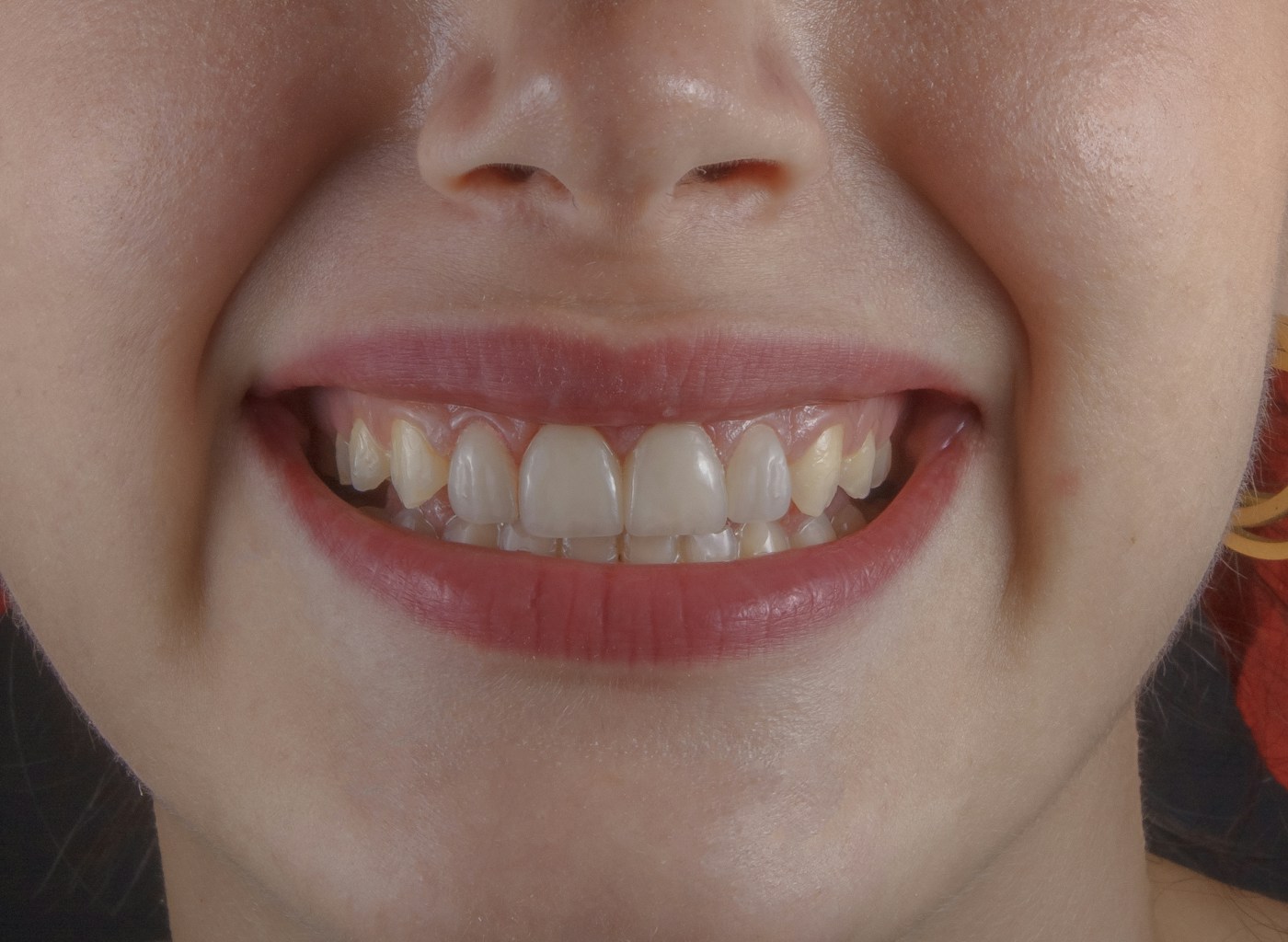
Composite bonding is a cosmetic dental procedure in which a tooth-coloured resin is applied directly to the surface of a tooth and sculpted by hand to improve its shape, size, or colour. The resin is then set with a curing light and polished to a natural finish.
It is one of the most versatile and accessible cosmetic treatments available. A single chip can be repaired in a brief appointment, or multiple teeth can be bonded in one session to transform the entire smile. In most cases, no preparation of the tooth is required, making it a highly conservative option.
At New Forest Family Dental, we take care with every detail of composite bonding. The resin is selected and layered to match your teeth as closely as possible, and the final shape is refined by hand to look natural from every angle.
Why composite bonding
Fast, conservative, and beautifully natural.
Often completed in one visit
Unlike veneers or crowns, composite bonding is carried out directly on the tooth in the surgery. In most cases the entire treatment can be completed in a single appointment, with no laboratory waiting time.
Minimally invasive
In many cases composite bonding requires no removal of tooth enamel and no injections. This makes it one of the most conservative cosmetic treatments available, preserving as much of your natural tooth as possible.
Completely customisable
The resin is shade-matched to your existing teeth and sculpted by hand to achieve exactly the shape and size you want. The result is a natural improvement that blends seamlessly with your smile.
Immediate results
You leave the appointment with your finished smile. There are no temporary restorations to manage and no waiting for a laboratory. The transformation is instant.
Repairable and adjustable
If a bonded tooth chips or you want to refine the shape further down the line, it can be repaired or adjusted relatively easily. This makes composite bonding a flexible option that can evolve with your goals.
Excellent value
Composite bonding delivers a significant cosmetic improvement at a more accessible price point than veneers or crowns. It is an excellent first step for patients who want to explore cosmetic dentistry without a large commitment.
Treatment journey
From consultation to a refreshed smile, often in one visit.
- 1
Consultation
We discuss what you would like to change about your smile, assess the teeth involved, and confirm that composite bonding is the most suitable option. We explain realistic expectations and any alternative treatments.
- 2
Shade selection
We select a composite resin shade that matches your natural teeth closely. If you are planning to whiten your teeth, we recommend doing so before bonding so the composite can be matched to your new, brighter shade.
- 3
Preparation
In most cases, no injection or drilling is required. The tooth surface is lightly conditioned with a mild etching solution to help the resin bond securely. This is a quick and comfortable process.
- 4
Application and sculpting
The composite resin is applied to the tooth in layers and carefully sculpted by hand to achieve the desired shape. This is the most artistic part of the process, requiring skill and attention to detail.
- 5
Curing and polishing
Each layer is set with a curing light, then the finished restoration is refined, smoothed, and polished to a natural lustre. We check your bite and make any final adjustments to ensure everything feels comfortable.
Who is it for?
Could composite bonding be right for you?
Composite bonding is a versatile treatment suitable for a wide range of cosmetic concerns. Common reasons patients choose bonding:
- Chipped or slightly broken front teeth
- Small gaps between front teeth
- Teeth that are uneven in length or shape
- Minor discolouration that does not respond to whitening
- Worn or eroded tooth edges
- Patients wanting a cosmetic improvement without injections or drilling
- A single visit smile refresh before a special occasion

Take the first step
Book your bonding consultation
Come in for a relaxed, no-obligation consultation. We will assess your teeth, discuss what is achievable, and provide a clear cost breakdown before you commit to anything.
FAQs
Frequently asked questions.
How long does composite bonding last?
With good oral hygiene, a healthy diet and regular dental reviews, composite bonding typically lasts five to seven years before it may need refreshing or replacing. Longevity depends on the location of the bonding, your bite, and your habits. Avoiding nail biting, chewing on pens, and biting into very hard foods will help it last as long as possible. Occasional polishing and maintenance appointments may also be needed to keep the restorations looking their best.
Does composite bonding stain?
Composite resin is more susceptible to staining than porcelain over time, particularly from tea, coffee, red wine, and tobacco. Keeping on top of your oral hygiene and attending regular hygiene appointments helps maintain the appearance. The surface can be polished to refresh its brightness.
Is composite bonding painful?
In most cases composite bonding is completely pain-free and does not require any anaesthetic. For cases where some tooth preparation is needed, we will use local anaesthetic to ensure you are entirely comfortable throughout.
Should I whiten my teeth before composite bonding?
Yes, if you are planning whitening, we recommend doing it before your bonding appointment. Composite resin cannot be whitened after it has been placed, so matching it to a post-whitening shade gives you the best overall result.
What is the difference between composite bonding and veneers?
Composite bonding is applied directly to the tooth in one appointment and usually requires no preparation of the tooth. Porcelain veneers are laboratory-made and require two or more appointments, but they are more durable and stain-resistant and tend to give a more refined, longer-lasting result. We will help you decide which is the better option for your situation.
Can composite bonding fix crooked teeth?
Composite bonding can improve the appearance of minor irregularities in shape and alignment, but it is not a substitute for orthodontic treatment. If the underlying alignment is significantly out, we may recommend combining bonding with orthodontics for the best outcome.
Ready to meet your new dental team?
Same-day appointments available · Denplan members welcome