
Restore and protect with a natural-looking crown
Custom-made tooth-coloured crowns that repair damaged teeth and restore full function. Durable, natural in appearance, and designed to last for many years with proper care.
About the treatment
What is a dental crown?
A dental crown is a custom-made restoration that fits over a prepared tooth like a cap, covering the entire visible surface down to the gum line. It restores the tooth's strength, shape, size, and appearance in one treatment.
Crowns are used when a tooth has been weakened by decay, fracture, or extensive filling, and when a simpler restoration would not provide sufficient protection. They are also used to cover dental implants, support bridges, and protect teeth following root canal treatment.
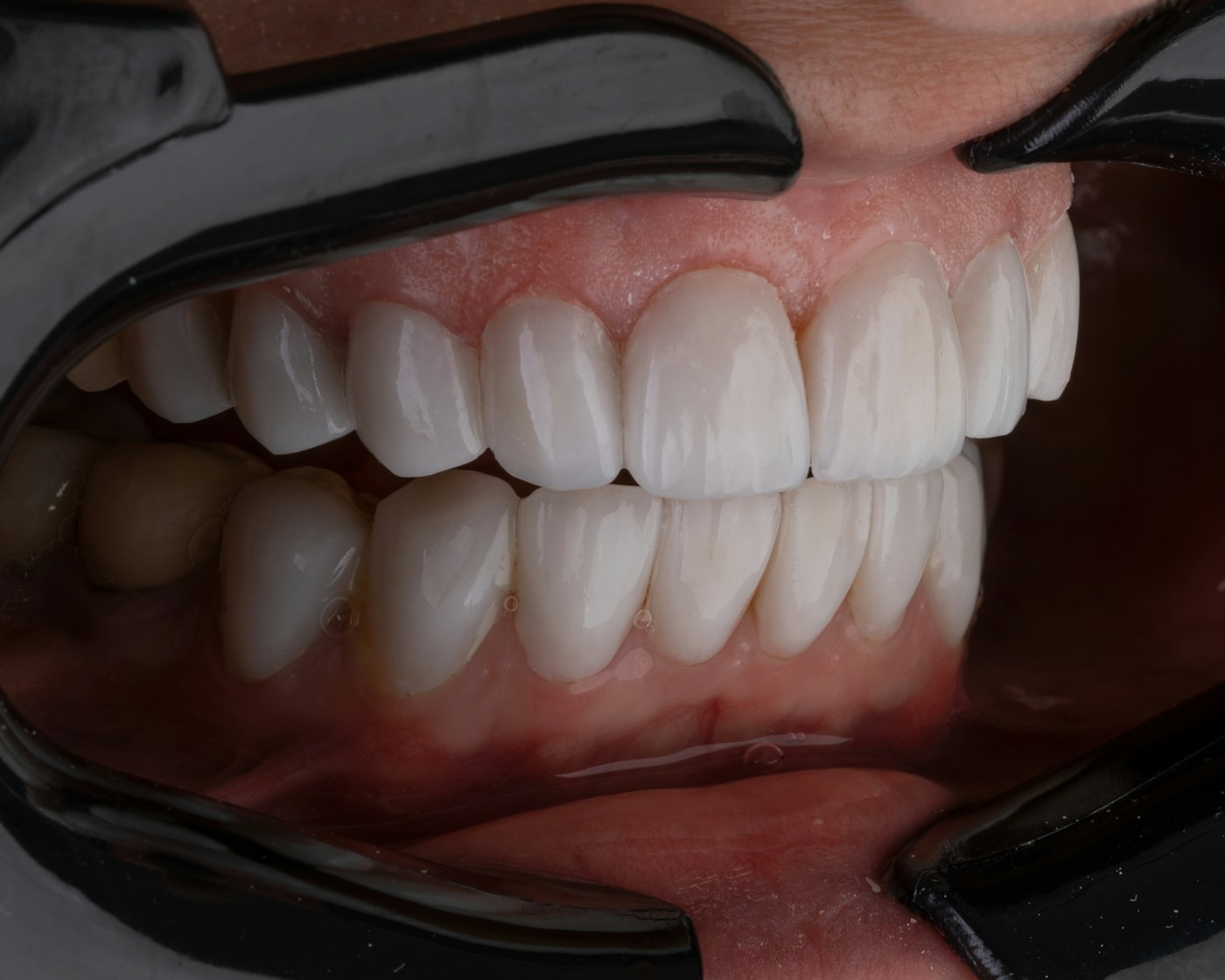
At New Forest Family Dental, we use tooth-coloured ceramic or porcelain crowns as our standard. These look natural, feel comfortable, and are matched carefully to the shade and shape of your surrounding teeth.
Why crowns
Strength, function, and natural appearance restored.
Protects damaged teeth
A crown encases the entire visible portion of a tooth, protecting it from further damage. Teeth that are cracked, heavily filled, or weakened after root canal treatment benefit enormously from the added protection a crown provides.
Looks completely natural
Modern tooth-coloured crowns are made from high-quality ceramic or porcelain and matched precisely to the shade of your surrounding teeth. Most patients find their crown is indistinguishable from a natural tooth.
Restores full function
A well-fitted crown restores the size, shape, and biting surface of a damaged tooth, allowing you to chew comfortably and speak naturally without discomfort or restriction.
Long-lasting solution
With good oral hygiene, a healthy diet and regular dental reviews, a dental crown can last ten to fifteen years or longer. Crowns are one of the most durable restorations available in modern dentistry.
Improves appearance
As well as restoring function, a crown can significantly improve the appearance of a tooth that is discoloured, misshapen, or badly broken down, making it both a restorative and cosmetic solution.
Versatile application
Crowns are used in a wide range of situations: to restore broken teeth, cover dental implants, anchor dental bridges, and protect teeth following root canal treatment.
Treatment journey
From assessment to a fully restored smile.
- 1
Consultation and assessment
We examine the tooth thoroughly, take X-rays if needed, and discuss whether a crown is the most appropriate restoration for your situation. We explain all available options and give you a clear cost breakdown.
- 2
Tooth preparation
The tooth is shaped under local anaesthetic to create space for the crown. The amount of tooth removed is carefully minimised. Impressions are taken and sent to our dental laboratory.
- 3
Temporary crown
A temporary crown is placed to protect the prepared tooth whilst your permanent crown is being made. This keeps the tooth comfortable and functional in the interim.
- 4
Laboratory fabrication
Skilled dental technicians craft your permanent crown to the specifications of your impressions, matching the shade, shape, and bite of your surrounding teeth. This typically takes one to two weeks.
- 5
Fitting appointment
Your permanent crown is tried in, checked for fit, bite, and appearance, and then bonded securely in place. We make any minor adjustments needed on the day to ensure it feels completely natural.
- 6
Aftercare
We provide guidance on caring for your new crown and schedule a review appointment. Crowns are maintained like natural teeth with regular brushing, cleaning between the teeth, and routine check-ups.
Who is it for?
Could a crown be right for you?
Crowns are recommended when a tooth needs more protection or restoration than a filling can provide. Common situations where we recommend a crown:
- Teeth that are cracked or at risk of fracture
- Heavily filled teeth with insufficient remaining tooth structure
- Teeth requiring protection following root canal treatment
- Broken down or badly worn teeth
- Severely discoloured teeth that cannot be improved with whitening
- Teeth supporting a dental bridge
- Implants requiring a final restoration
Take the first step
Book your crown consultation
Come in for a relaxed consultation. We will assess your tooth thoroughly, explain your options honestly, and provide a clear, transparent cost breakdown before any treatment takes place.
FAQs
Frequently asked questions.
Does having a crown hurt?
The tooth is prepared under local anaesthetic, so you will not feel any pain during the procedure. Afterwards, some mild sensitivity or tenderness around the gum is normal and usually settles within a few days. Over-the-counter pain relief is usually sufficient if needed.
How long does a crown last?
With good oral hygiene, a healthy diet and regular dental reviews, a crown can last ten to fifteen years and often considerably longer. Avoiding habits such as grinding your teeth, chewing on very hard foods, or biting your nails will help protect it.
Will my crown look natural?
Yes. Modern tooth-coloured crowns are made from ceramic or porcelain and matched carefully to the shade of your surrounding teeth. When fitted well, a crown is virtually indistinguishable from a natural tooth.
Is a crown the same as a cap?
Yes, the terms are used interchangeably. A crown, or cap, is a restoration that covers the entire visible portion of a tooth down to the gum line, restoring its size, shape, and function.
Can a crowned tooth still decay?
The crown itself cannot decay, but the natural tooth structure beneath it can. It is important to clean around the base of the crown thoroughly, including cleaning between your teeth, to prevent decay developing at the margin where the crown meets the tooth.
What is the difference between a crown and a veneer?
A veneer covers only the front surface of a tooth and is used primarily for cosmetic purposes on front teeth with a healthy structure. A crown encases the entire visible tooth and is used when the tooth is structurally compromised. We will recommend the most appropriate option for your situation during consultation.
Ready to meet your new dental team?
Same-day appointments available · Denplan members welcome